What it is
What a ceramic coating actually does
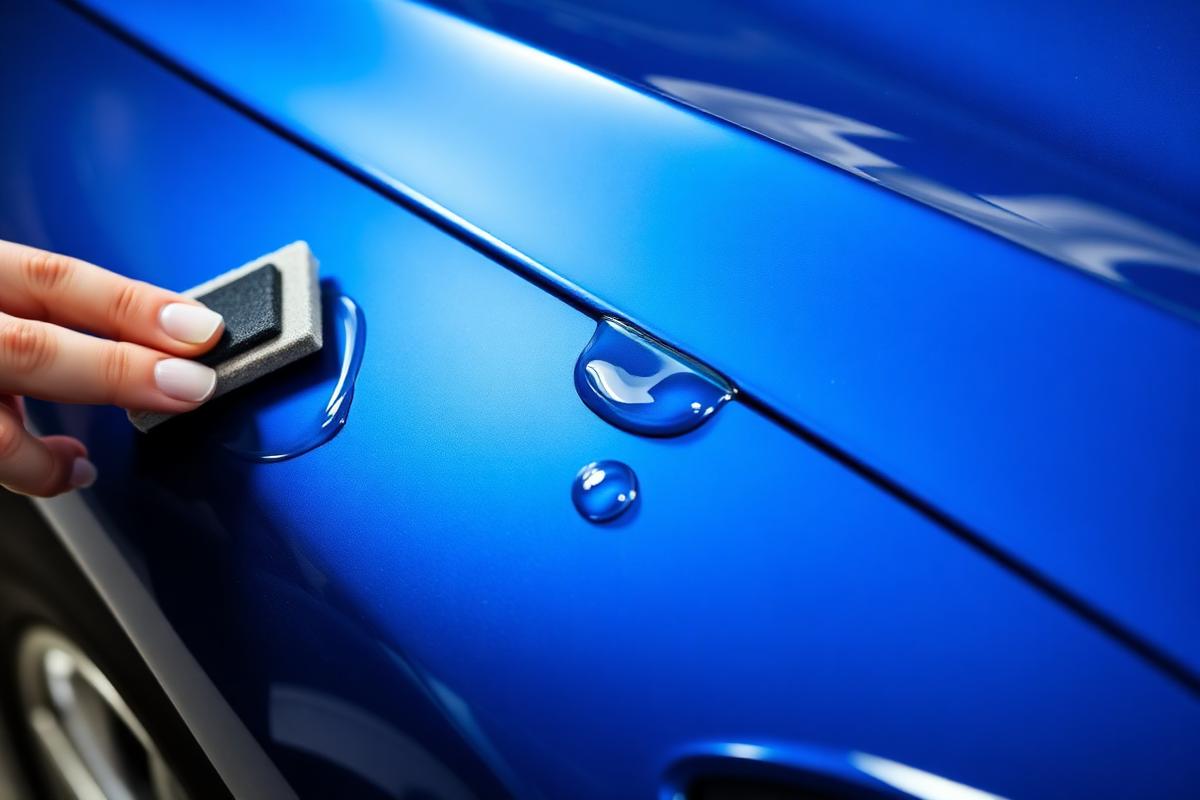
A coating is a liquid polymer that cures into a thin, hard, semi-permanent layer chemically bonded to the clear coat. It becomes the surface the world touches instead of your paint.
The practical benefits are real and specific. The surface becomes strongly hydrophobic, so water pulls into beads and sheets off rather than lying flat and drying into mineral spots. Contaminants — dust, pollen, bug residue, road film — bond less aggressively and release with less effort during washing, which means less mechanical contact with your paint over the years, which in turn means fewer swirl marks. The layer also buffers UV exposure, slowing the fading and oxidation that sunlight drives.
A coating also stabilizes appearance. Wax and most sealants degrade steadily from the day they go on; a properly applied and maintained coating holds its gloss and behavior for far longer, so the car does not need re-protecting every few months to look the way it did.
What it does not do
Honest limits matter more than marketing language:
- Not scratch proof. It resists light marring; it does not stop rock chips, deep scratches or brush-wash damage.
- Not permanent. Coatings wear. Storage, exposure and wash habits decide how quickly.
- Not a substitute for washing. Dirt releases easier; it still has to be removed.
- Not a defect remover. Anything on the paint when it is applied gets locked underneath.
- Not immunity from etching. Bird droppings and bug guts still need prompt removal.
Preparation
Ninety percent of a coating job happens before the coating
The bottle is the last and shortest step. What determines the result is everything that happens to the surface first.
- 01
Deep clean
A thorough wash removes the loose layer, then wheels, jambs, trim and glass are addressed so nothing migrates onto prepped paint later.
- 02
Decontamination
Chemical iron removal dissolves embedded brake-dust particles; clay work shears off bonded tar, minerals and overspray until the surface is glass smooth.
- 03
Correction
Polishing removes swirls, haze and oxidation. Whatever is left here is what you will see through the coating for years, so this stage decides the finish.
- 04
Panel wipe & apply
A dedicated wipe strips polishing oils so the coating can bond to bare clear coat. Then it is applied panel by panel, leveled, and left to cure.
Curing matters as much as application. Coatings need time before exposure to water, and the initial period is when durability is either established or compromised. You will get clear instructions on how long to keep the vehicle dry and how to wash it for the first several weeks — following them is not optional if you want the longevity the product is capable of.
Fort Worth conditions
Why coatings make sense here
The North Texas climate is hard on unprotected paint in a very particular way: intense, sustained summer sun combined with frequent water events. UV load drives oxidation on horizontal panels; sprinkler overspray and sudden storms leave mineral-laden water that dries fast in the heat, and repeated heat cycles turn those deposits into etching.
A hydrophobic surface addresses both halves of that. Water leaves the panel instead of pooling and evaporating in place, and the coating takes the UV hit before the clear coat does. For a truck or SUV that never sees a garage — which describes a great many vehicles in this city — that is the difference between paint that still looks deep in year five and paint that went flat in year two.
Maintenance
How to keep a coating performing
- Wash regularly and gently — pH-neutral soap, clean media, no brush tunnels
- Dry with clean drying media rather than letting the sun do it
- Remove bird droppings, bug residue and tree sap promptly
- Avoid harsh degreasers and abrasive polishes on coated panels
- Keep wheels and lower panels clean so iron doesn't build up
- Periodic decontamination and maintenance as advised for your coating
Maintenance is where most coatings underperform their reputation — not because the product failed, but because the car went through an automatic brush wash every other week. Treat it well and it will hold up.
Who it's for
Is a coating the right spend for you?
Usually worth it
- Vehicles kept several years and parked outdoors
- New or nearly new paint you want to preserve
- Dark colors that show swirls and water spots easily
- Owners willing to hand wash or maintain properly
- Trucks and SUVs with large horizontal panels in full sun
Often better spent elsewhere
- Vehicles being sold within months
- Cars that will keep going through brush washes
- Paint with heavy defects and no budget for correction first
- Leased vehicles nearing turn-in
- Situations where a quality sealant achieves the goal for less
FAQ
Ceramic coating questions
Does ceramic coating prevent scratches?
No. A coating adds a thin, hard sacrificial layer that improves resistance to light marring and makes washing gentler on the paint, but it is not scratch proof and it will not stop rock chips, key marks or careless automatic-wash brushes. Anyone selling it as scratch protection is overselling it.
How long does a ceramic coating last?
Longevity depends on the product used, how the surface was prepared, how the vehicle is stored and how it is washed. Coatings are generally measured in years rather than months, which is the real difference from wax or sealant — but a garaged car washed carefully will always outlast an identical coating on a truck parked under full sun and washed at a tunnel.
Should paint correction be done before ceramic coating?
Usually, yes. A coating locks in the surface underneath it. If swirl marks, haze or oxidation are present when it goes on, they get sealed in and you will be looking at them for the life of the coating. Correction beforehand is what makes a coated finish look deep rather than merely shiny.
Do I still have to wash the car?
Yes. A coating makes washing easier and dirt release better; it does not make a vehicle self-cleaning. Regular, gentle maintenance washing is part of getting the durability the coating is capable of — skipping it lets contamination sit on the surface and dull performance.
Will I never need wax again?
You should not need traditional wax on top of a coating, and layering the wrong products over one can actually mask its behavior. That said, coatings benefit from periodic maintenance and appropriate topper products depending on what was applied — we will explain what your specific coating wants rather than making a blanket claim.
What does a coating actually improve day to day?
Water beads and sheets off instead of sitting in flat sheets, so the car dries faster and spots less. Dust, bug residue and road film release more easily during washing. UV exposure is buffered, which helps unprotected clear coat resist the fading and oxidation that Texas sun causes. And the finish holds a consistent gloss instead of degrading month by month.
Can a coating be applied mobile?
Coating work depends heavily on conditions — surface temperature, cleanliness of the environment, dust and wind all matter, and Fort Worth summers make midday driveways a poor choice. Coating appointments are planned around those requirements, so talk through your location and available shade or covered parking when you call.
Who is ceramic coating actually worth it for?
Owners who keep vehicles for years, park outdoors, care about the finish and are willing to maintain the car properly. If the plan is to sell in a few months, or the vehicle regularly goes through brush washes, the money is better spent on correction and a quality sealant.
Ask about ceramic coating in Fort Worth
Coating quotes depend on paint condition and how much correction is needed first. Call (682) 900-2910 and we'll talk through what your vehicle actually needs.