Approach
Controlled cleaning, not a pressure wash
The videos where someone blasts an engine bay with a pressure washer make for good footage and bad outcomes. Modern engine bays are full of connectors, control modules, sensors, coil packs, alternators and intake openings that were designed to shed road spray, not to take a direct high-pressure stream. Forcing water past a seal creates faults that appear days later and are miserable to diagnose.
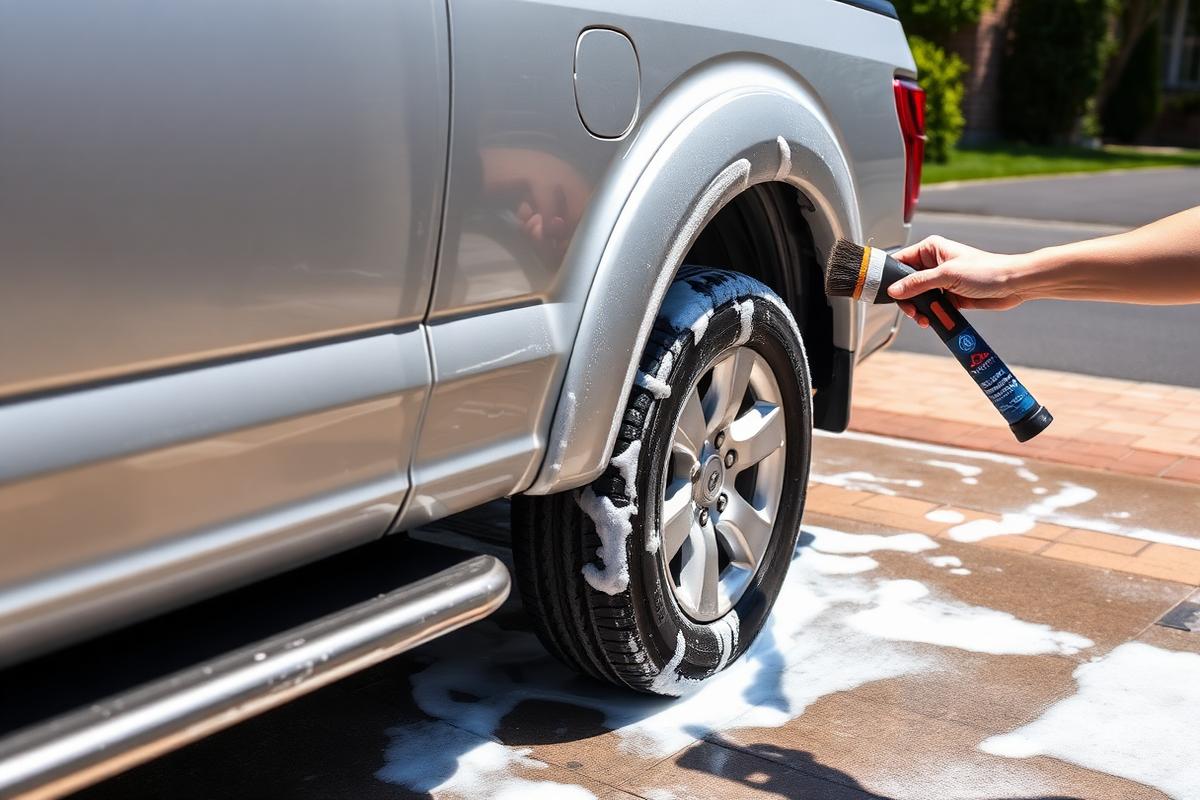
The method here is deliberately conservative. Sensitive components get covered. Cleaning is done with controlled application, appropriate degreaser and brushes that reach into the crevices where grime actually lives. Rinsing uses low pressure and directed flow. The bay is then dried and dressed with a product that leaves plastics and hoses looking natural rather than dripping with a glossy silicone that runs down the block the first time the engine heats up.
Why it matters
Reasons people book it
Resale and trade-in
A clean bay signals a maintained vehicle. Buyers open the hood, and what they find there shapes their opinion of everything else.
Leak detection
You cannot spot a new seep on a bay caked in years of oily dust. Cleaning it turns the next leak into something visible immediately.
Working comfort
Anyone doing their own maintenance would rather not reach into a decade of grime for every filter change.
Show and enthusiast cars
For a vehicle that gets its hood opened at Cars and Coffee, the bay is part of the presentation.
Rodent aftermath
North Texas mice nest in engine bays over winter. Cleaning out debris and droppings is both hygiene and fire prevention.
New purchase reset
Starting clean on a used vehicle gives you a baseline to judge everything against from day one.
Covered
What the appointment includes
- Cover and protect the alternator, intake, fuse boxes, exposed electronics and battery terminals
- Dry removal of leaves, pine needles and debris from cowl areas and hood channels
- Degreaser applied and agitated on plastics, hoses, brackets and painted surfaces
- Controlled low-pressure rinse — never a direct high-pressure stream at components
- Thorough drying, including forced air into crevices that hold water
- Underside of the hood and hood insulation cleaned
- A satin dressing on plastics and hoses that will not sling or run when hot
- A note of anything visibly wrong we notice, such as an obvious leak or a chafed hose
Limits
What we do not do
We do not clean bays on vehicles with known electrical faults, exposed damaged wiring or missing covers, because introducing any moisture into those situations is asking for a problem that outlives the appointment. We also will not touch a bay that is hot; the engine needs to be cool, which occasionally means adjusting the order of work on the day.
Very heavily contaminated bays — decades of oil-soaked dust, or evidence of a significant leak — sometimes need more than one session, and a bay with an active leak will look clean until the leak dirties it again. Cleaning is not a repair. Where we find something that needs mechanical attention, we tell you what we saw and leave the diagnosis to your shop.
FAQ
Common questions
Is it safe to clean a modern engine bay?
Yes, done correctly. The risk comes from high pressure and indiscriminate soaking, not from cleaning as such. Covering sensitive components, controlling water volume, keeping pressure low and drying thoroughly makes it a routine job. Vehicles with pre-existing electrical problems are the exception and we leave those alone.
Will my check engine light come on?
It should not, and with a careful method it does not. Warning lights after an engine bay wash are almost always the result of water forced into a connector by a pressure washer. That is exactly the technique this service avoids.
How long does it take?
Typically one to two hours depending on how contaminated the bay is and how much drying it needs. A bay that has never been cleaned in a decade takes longer, and we will say so when quoting rather than rushing it into a shorter slot.
Does the engine need to be cold?
Cool, yes. Cleaning a hot engine risks thermal shock to components and causes cleaners to flash off before they can work. If the vehicle has just been driven, we start with other work and come back to the bay once it has cooled down.
Can you do this at my office parking lot?
In most cases, yes, because the method uses far less water than a conventional wash and the water is controlled rather than sprayed everywhere. Some properties have rules about vehicle work on site, so it is worth confirming with your building manager before we arrive.
Ready to book mobile detailing?
Tell us the vehicle, its current condition and where it will be parked, and we can put together a quote and a time that works.